Copyright @ Association of Arab Universities
30 September 2026
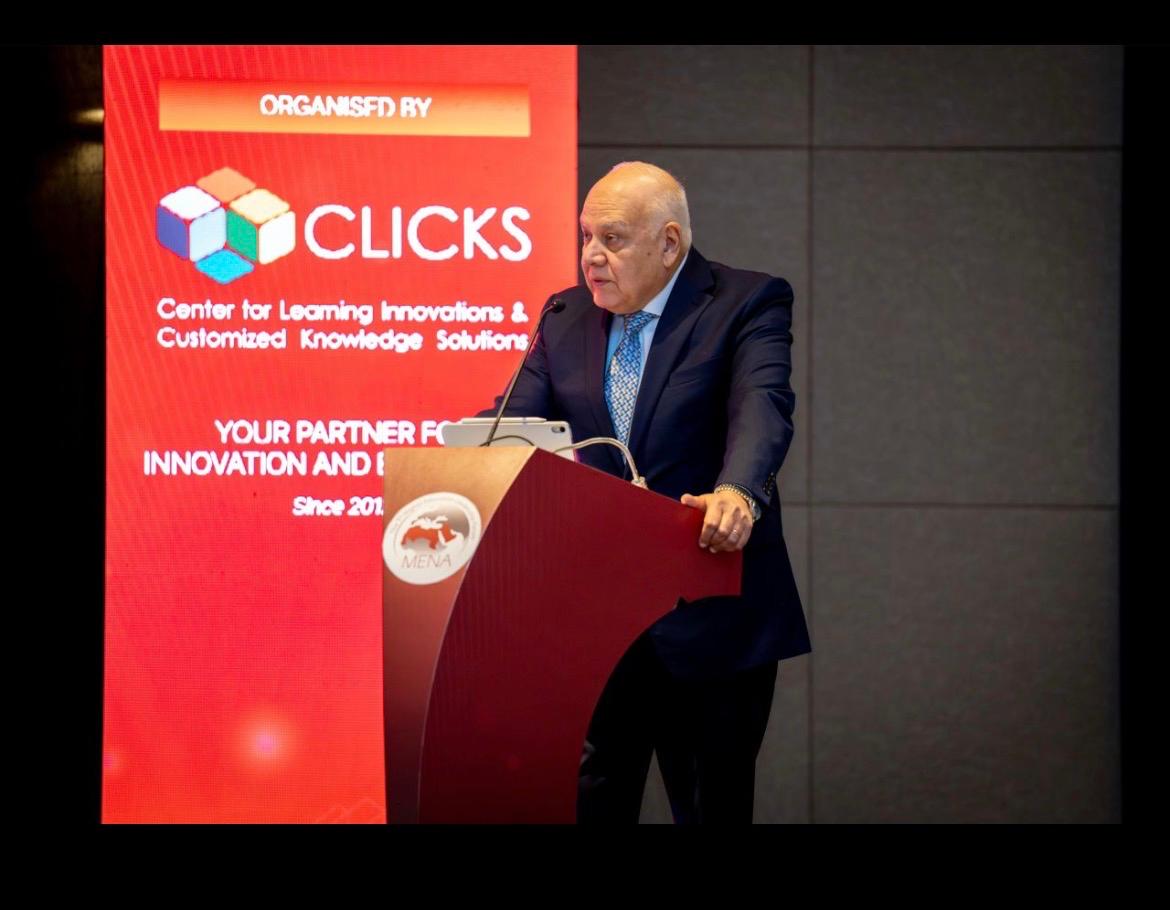
AArU Secretary-General Participates in MENA Higher Education Leaders Forum
Dubai | 29–30 September 2026
As part of the Association of Arab Universities’ (AArU) commitment to strengthening its presence in regional and international higher education platforms and contributing to dialogue on the future of universities, H.E. Prof. Amr Ezzat Salama, Secretary-General of AArU, participated in the 7th edition of the MENA Higher Education Leaders Forum (MENA-HELF), held in Dubai on 29–30 September 2026 under the theme “Global Challenges, Local Impact: Higher Education’s Role in Building a Resilient Future.”
The Forum brought together university leaders, policymakers and experts from around the world. H.E. Prof. Salama was accompanied by Ms. Lina Al-Bitar, Director General of Administration at AArU.
In his opening remarks, Prof. Salama addressed key transformations shaping higher education, including artificial intelligence, changing labour markets, sustainability, digital transformation, inclusion and resilience. He called for a shift from degrees to capabilities, from individual institutions to integrated ecosystems, and from individual excellence to regional collaboration, while strengthening the connection between education, research, innovation and societal and labour-market needs.
He also highlighted the growing role of AI in higher education, stressing that institutions must move beyond simply adopting technology towards understanding, governing and using it responsibly, while preserving universities’ fundamental role in developing critical thinking, ethical awareness and sound decision-making.
On the second day, Prof. Salama joined the fireside discussion “Resilient Futures: Rhetoric or Reality? Higher Education’s Real-World Impact,” addressing higher education in the Arab region, institutional resilience, university impact, skills and employability, AI, international partnerships, access and equity.
Discussing resilience, he stressed that “survival is not resilience.” A resilient university, he explained, continues to create value, adapts to crises and transformation, and protects opportunities for students and society. He called for a shift from activity indicators to impact indicators, measuring what actually changes as a result of education, research and innovation—including graduate employability, contributions to societal challenges, and the translation of research into industry and policymaking.
On international partnerships, he emphasised that their value should not be measured only by the number of agreements or mobility programmes, but by their contribution to capacity building, institutional linkages and sustainable impact, particularly during crises and displacement, when partnerships can help ensure continuity of education and strengthen institutional resilience.
AArU’s participation in MENA-HELF reflects its continued commitment to academic cooperation, knowledge exchange, strategic partnerships and advancing Arab higher education priorities in regional and international dialogue, helping translate discussion into collaboration and action, and turning knowledge and innovation into tangible impact for universities and Arab societies.
Related Links:
Recent News
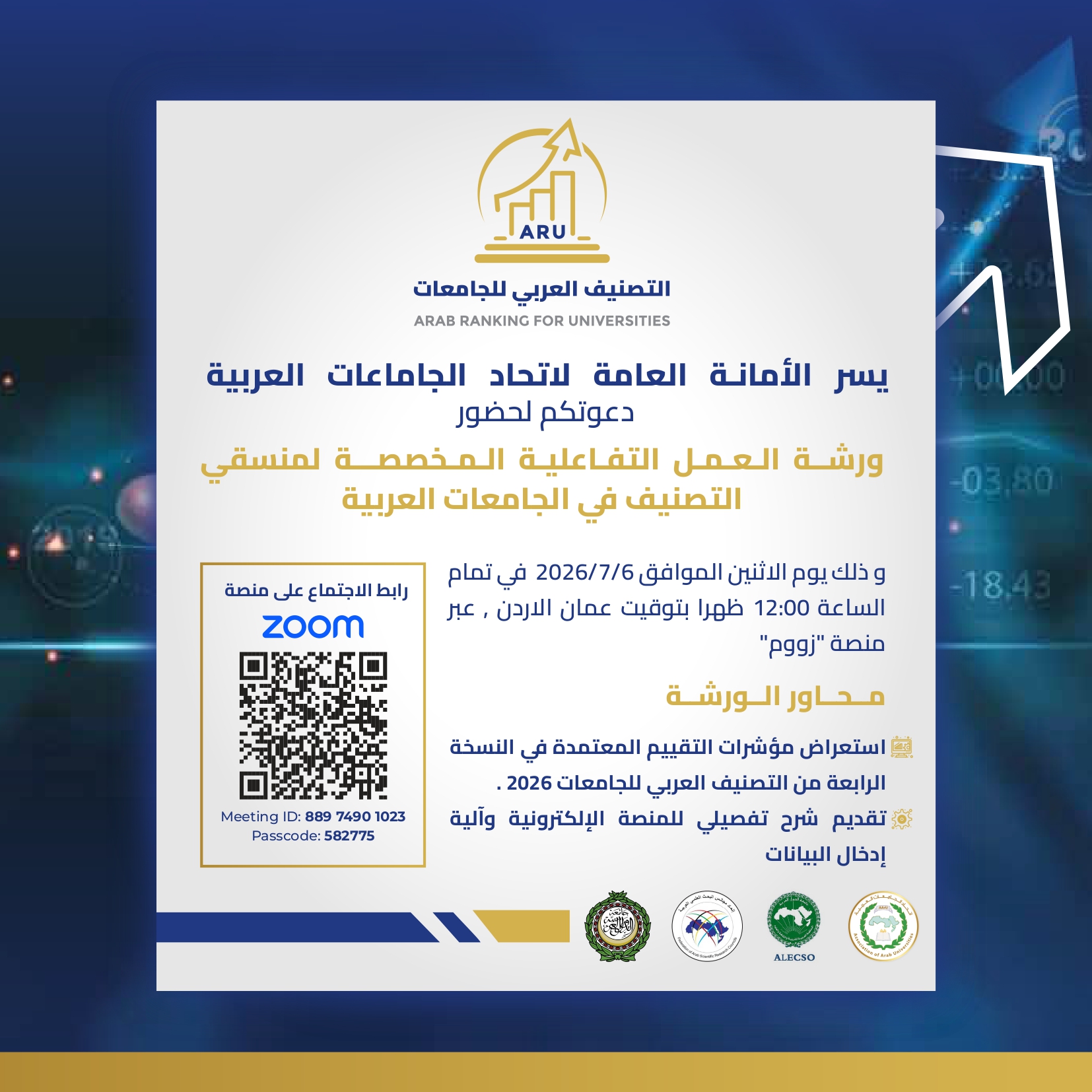
The General Secretariat of the Association of Arab Universities extends its warmest greetings. We are pleased to inform you that the Association of Arab Universities will hold a virtual workshop dedicated to university ranking coordinators at Arab universities.
06 July 2026
The Association of Arab Universities is pleased to invite university ranking coordinators to a virtual workshop.
06 July 2026

Towards a More Advanced Arab Ranking: Steering Committee Meeting Witnesses Launch of New Website and Updated Criteria
05 May 2025
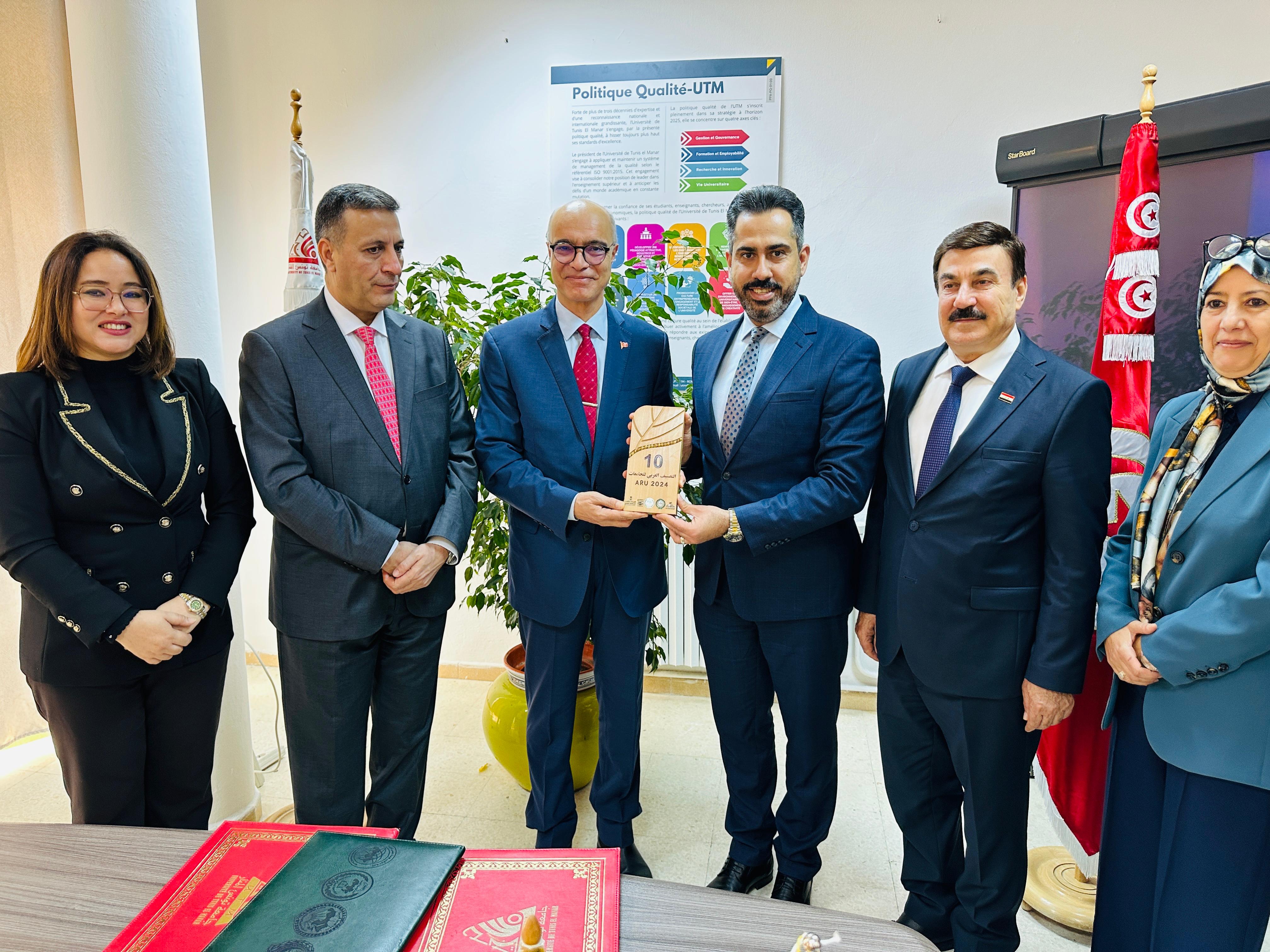
AArU Presents the Arab Ranking Shield to Tunis El Manar University
16 February 2025