Copyright @ Association of Arab Universities
22 June 2026
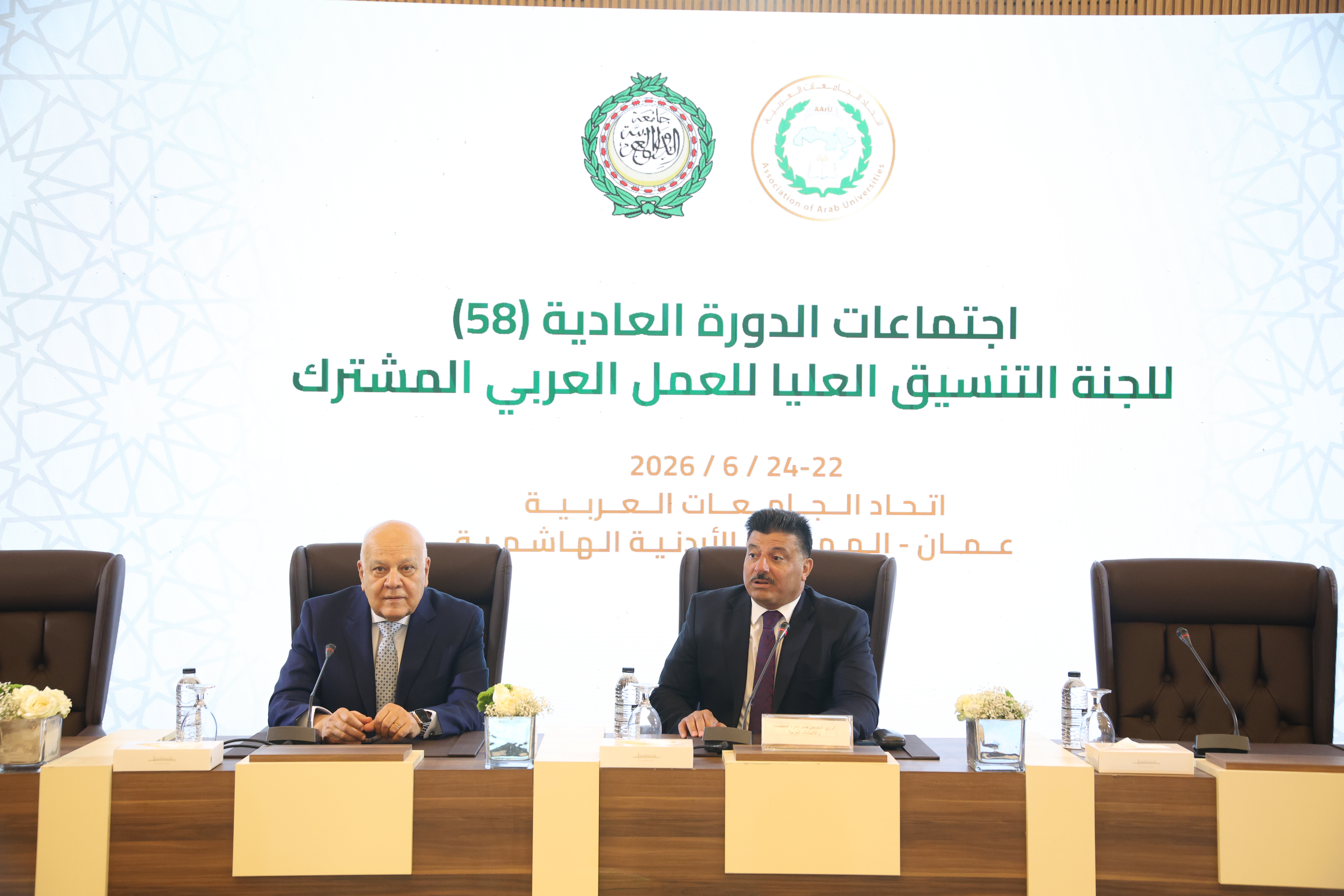
Association of Arab Universities Hosts the 58th Regular Session of the Higher Coordination Committee for Joint Arab Action at the Experts’ Level
Amman, Hashemite Kingdom of Jordan – 22 June 2026
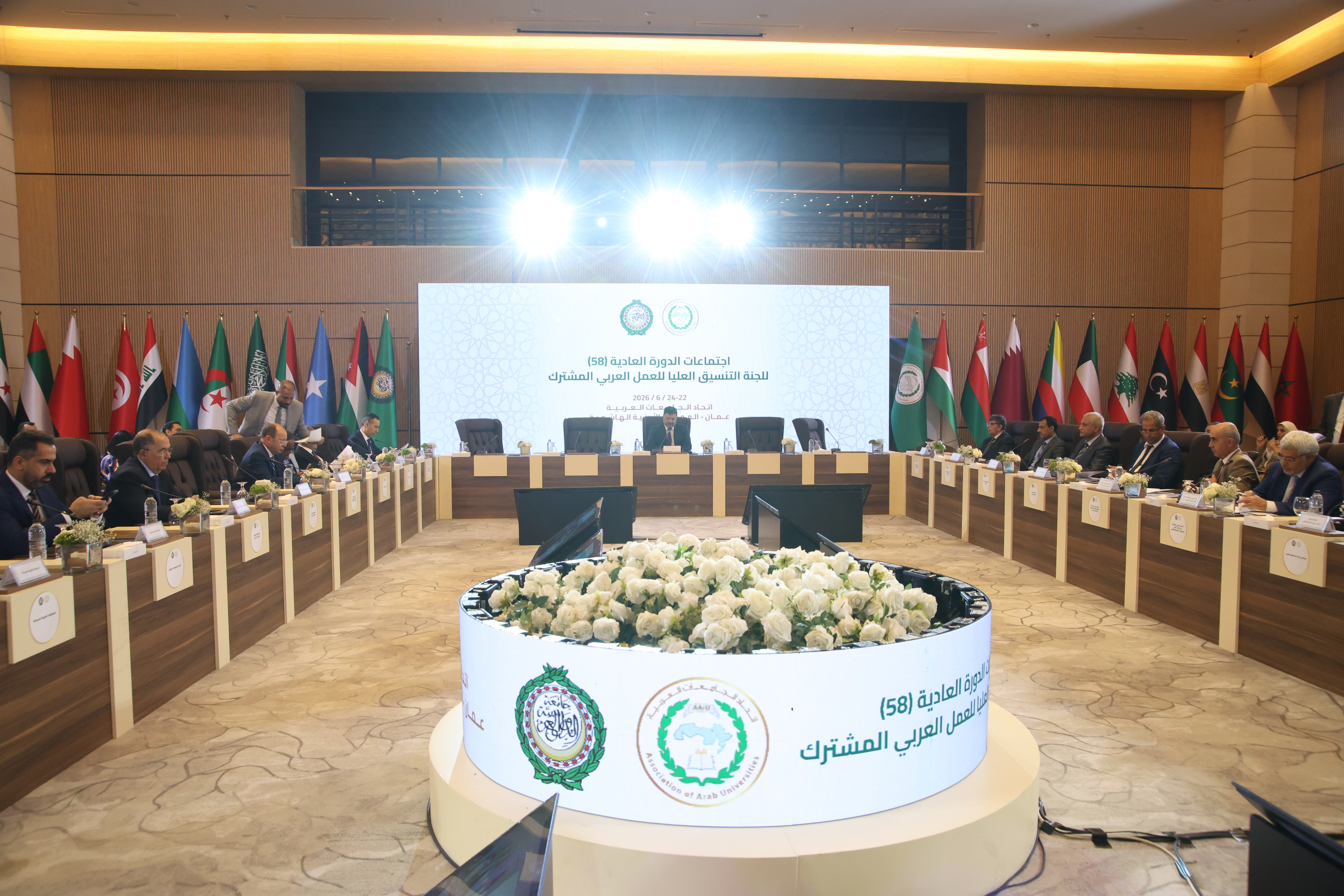
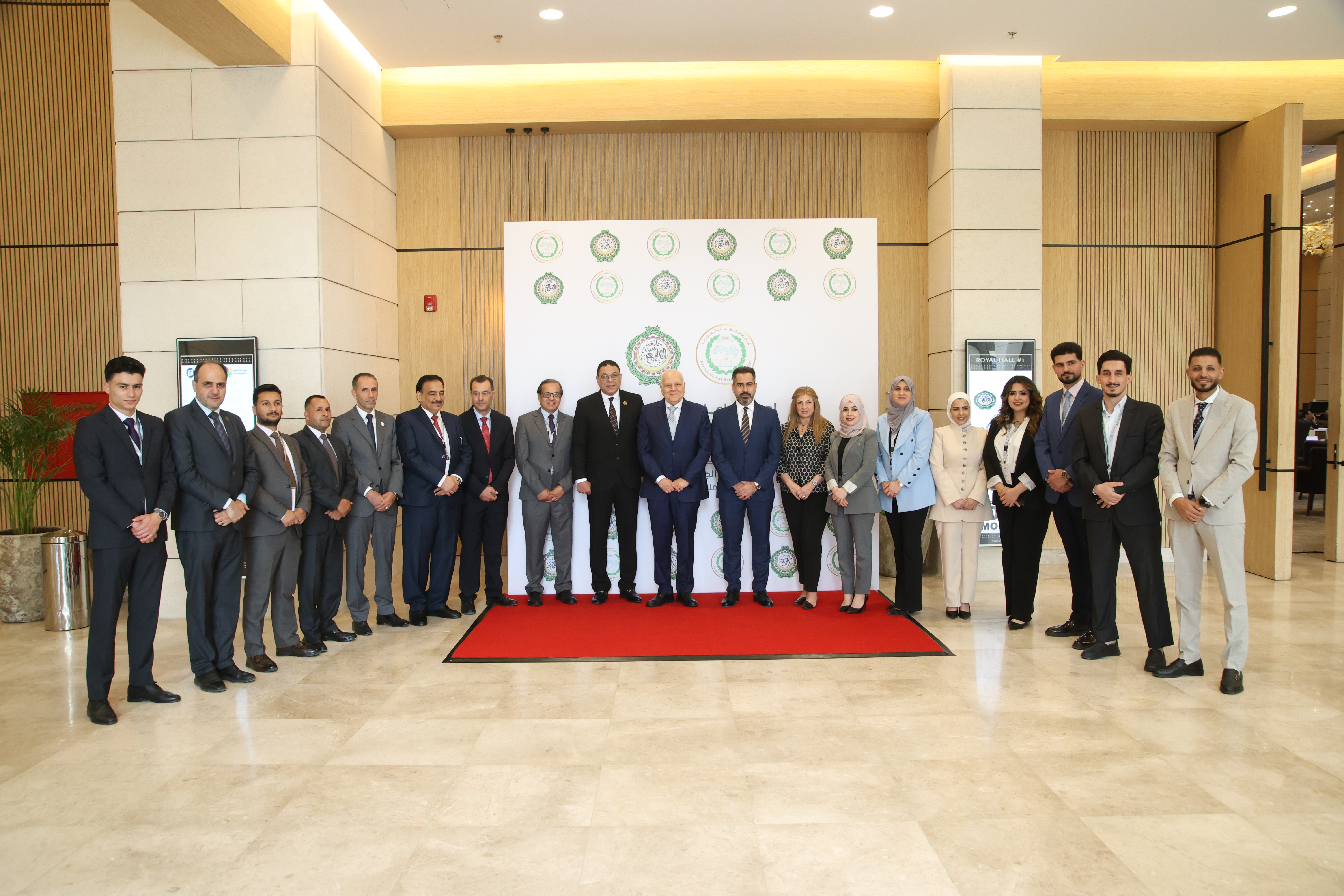
H.E. Prof. Amr Ezzat Salama, Secretary-General of the Association of Arab Universities (AArU), inaugurated the meetings of the Higher Coordination Committee for Joint Arab Action at its 58th Ordinary Session at the Experts’ Level, hosted by the Association of Arab Universities in Amman, Jordan. The meetings brought together the Directors and Secretaries-General of 28 Arab specialized organizations and institutions operating under the umbrella of the League of Arab States (LAS) and the framework of Joint Arab Action.
The opening session was chaired by H.E. Minister Plenipotentiary Dr. Raed Al-Jubouri, Director of the Department of Arab Organizations and Federations at the League of Arab States, in the presence of representatives of the Arab specialized organizations and institutions that are members of the Committee.
In his opening remarks, H.E. Prof. Amr Ezzat Salama welcomed the participants and underscored the importance of the Higher Coordination Committee for Joint Arab Action as one of the principal mechanisms for coordination and integration among Arab specialized organizations. He emphasized that the Committee serves as an effective institutional platform for unifying Arab efforts and strengthening joint cooperation in support of sustainable development goals and in addressing the current and future challenges facing the Arab region.
He further noted that the Association’s hosting of these meetings reflects its commitment to supporting the system of Joint Arab Action, enhancing cooperation among Arab specialized institutions, and reinforcing the role of higher education, scientific research, and innovation in advancing Arab development priorities.
The meetings featured discussions on a number of strategic agenda items, including follow-up on the implementation of resolutions adopted during the Committee’s previous session, a review of the outcomes of the First Arab Annual Artificial Intelligence Forum, and consideration of mechanisms for establishing an Arab Artificial Intelligence Observatory based on big data.
Participants also discussed issues related to Arab trade integration, energy and food security, digital transformation, artificial intelligence governance, and the work plans of Arab joint institutions and organizations.
In addition, the meetings addressed the Arab Sustainable Development Platform, the Arab Vision 2045, and a number of organizational matters aimed at further developing the Joint Arab Action system and enhancing coordination and institutional effectiveness among its various entities.
These meetings reflect the commitment of the League of Arab States and Arab specialized organizations to strengthening Arab integration and cooperation, advancing impactful joint initiatives and projects that serve the development priorities of the Arab world, and contributing to a more sustainable, prosperous, and resilient future for Arab societies.
Related Links:
Recent News
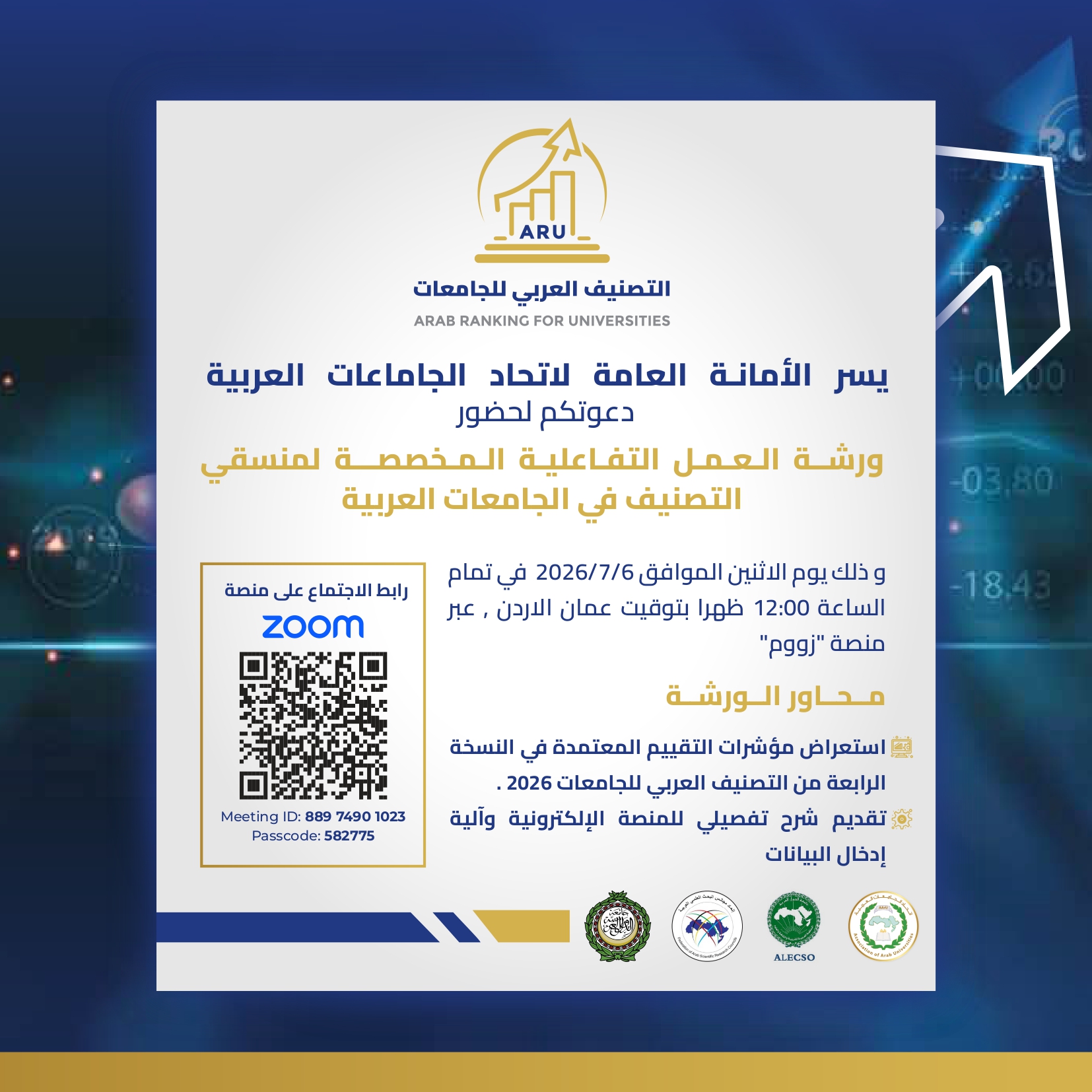
The General Secretariat of the Association of Arab Universities extends its warmest greetings. We are pleased to inform you that the Association of Arab Universities will hold a virtual workshop dedicated to university ranking coordinators at Arab universities.
06 July 2026
The Association of Arab Universities is pleased to invite university ranking coordinators to a virtual workshop.
06 July 2026

Towards a More Advanced Arab Ranking: Steering Committee Meeting Witnesses Launch of New Website and Updated Criteria
05 May 2025
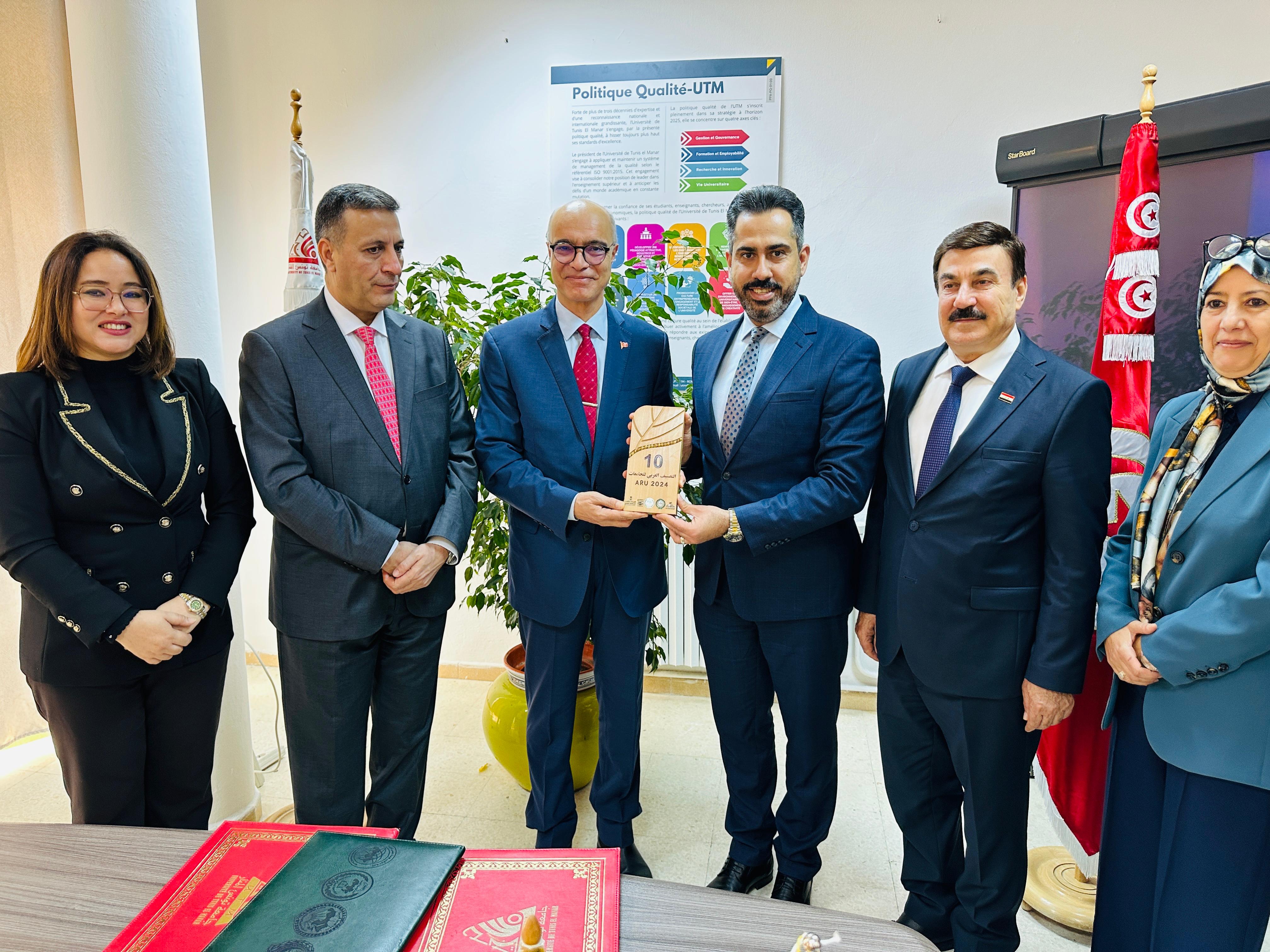
AArU Presents the Arab Ranking Shield to Tunis El Manar University
16 February 2025