Copyright @ Association of Arab Universities
18 October 2026
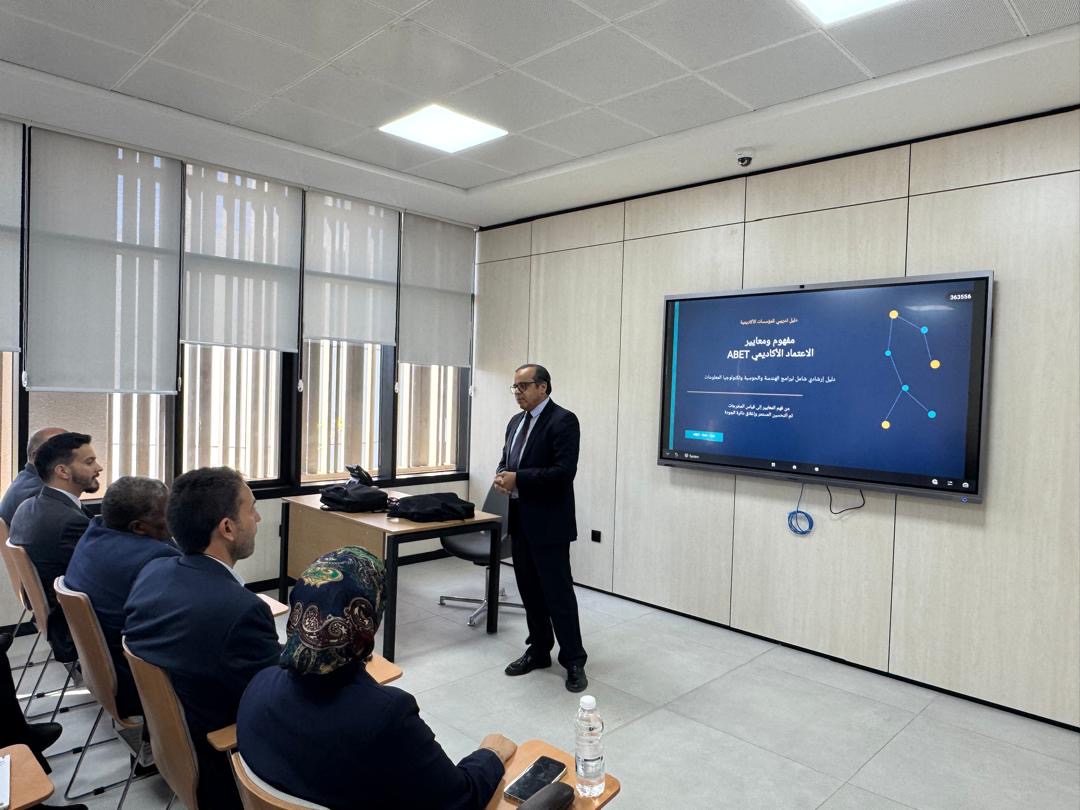
Association of Arab Universities Organizes Training Course on International Accreditation According to ABET Standards at the University of Benghazi
Benghazi – 18/10/2026
As part of the Association of Arab Universities’ efforts to enhance the quality of higher education, strengthen the capacity of Arab universities in quality assurance and academic accreditation, and promote the exchange of expertise and leading international practices, the Association’s General Secretariat, in cooperation with the Libyan Ministry of Higher Education and Scientific Research, organized a specialized training course entitled “Introduction to Academic Accreditation According to ABET Standards” at the University of Benghazi from 18 to 19 October 2026. The course brought together representatives from several Libyan universities, higher education institutions, and research organizations.
The course was delivered by Prof. Dr. Waleed Abu Salama, Advisor to the Association of Arab Universities, who specializes in computer engineering, artificial intelligence, quality assurance, and academic accreditation. The training addressed the fundamental standards and requirements of international accreditation under ABET, as well as the mechanisms for implementing these standards in higher education institutions to support the development of academic programs and improve the quality of their outcomes.
The course focused on the philosophy of academic accreditation and the shift from an emphasis on educational inputs toward measuring learning outcomes, assessing student performance, and establishing effective systems for evaluating program and course outcomes. It also covered the preparation of course files, documentation of academic evidence and supporting materials, the use of assessment tools and analysis of results, and the preparation of evaluation reports. Participants explored methods for identifying strengths and weaknesses, developing improvement plans, monitoring their implementation, and measuring their impact.
The program included practical sessions and workshops designed to strengthen participants’ hands-on skills in preparing accreditation files and organizing the required documentation and evidence. It also addressed aligning learning outcomes with assessment tools and samples of student work, alongside discussing engineering design requirements, graduation projects, and standards relating to laboratories and engineering facilities. Furthermore, the program examined the role of continuous improvement in fostering an institutional culture of quality as a shared responsibility, while exploring future trends in quality assurance, including the use of artificial intelligence.
The course brought together representatives from 23 Libyan universities, academic institutions, and research organizations, providing a valuable opportunity to exchange specialized knowledge and expertise in academic accreditation and strengthen university personnel’s capacity to implement quality standards and improve educational practices in line with international requirements.
This training course forms part of the Association of Arab Universities’ ongoing efforts to strengthen academic cooperation among Arab universities, support their work in developing quality assurance and accreditation systems, and enhance the standard of academic programs and their outcomes. These efforts aim to reinforce the ability of Arab higher education institutions to keep pace with global developments and achieve academic excellence.
Related Links:
Recent News
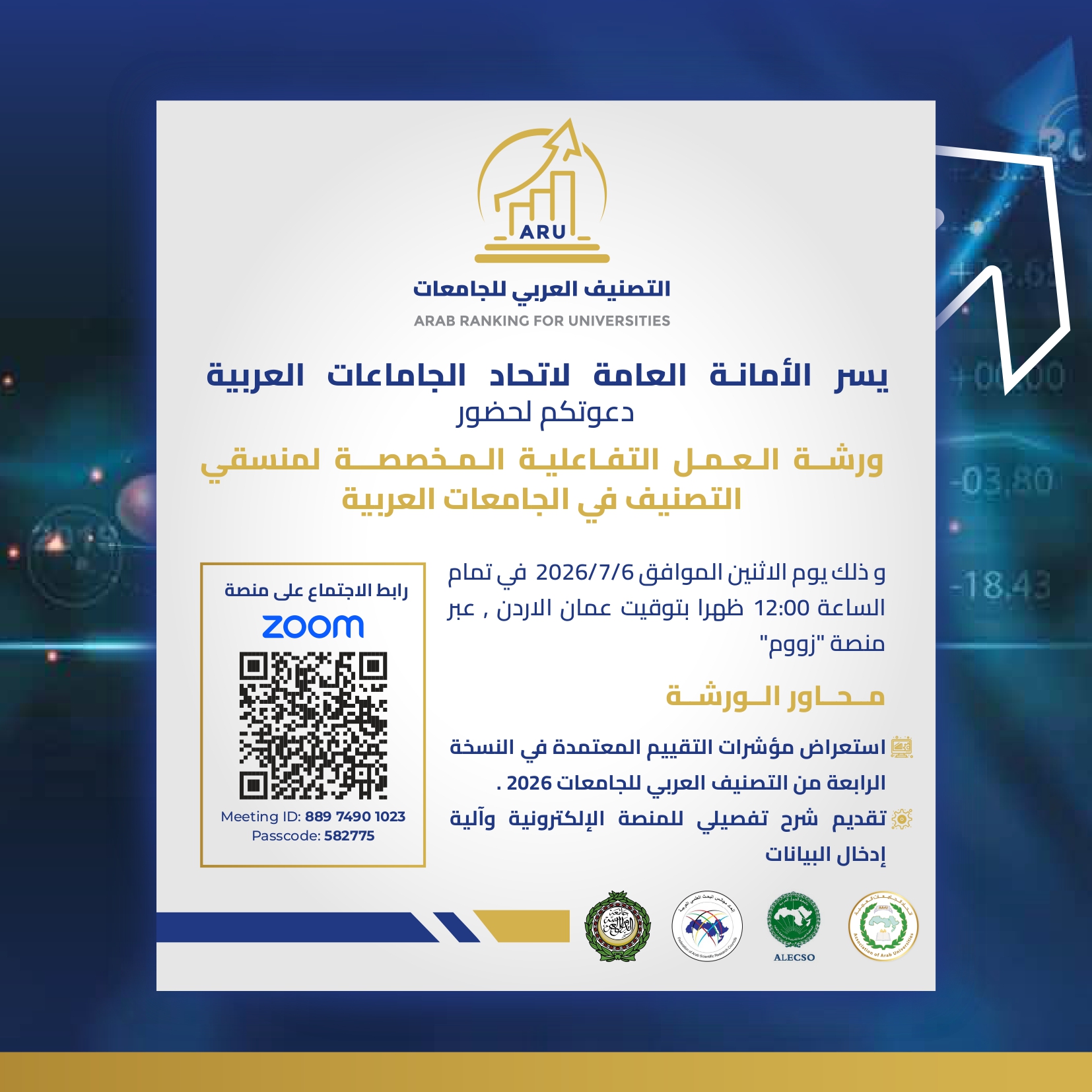
The General Secretariat of the Association of Arab Universities extends its warmest greetings. We are pleased to inform you that the Association of Arab Universities will hold a virtual workshop dedicated to university ranking coordinators at Arab universities.
06 July 2026
The Association of Arab Universities is pleased to invite university ranking coordinators to a virtual workshop.
06 July 2026

Towards a More Advanced Arab Ranking: Steering Committee Meeting Witnesses Launch of New Website and Updated Criteria
05 May 2025
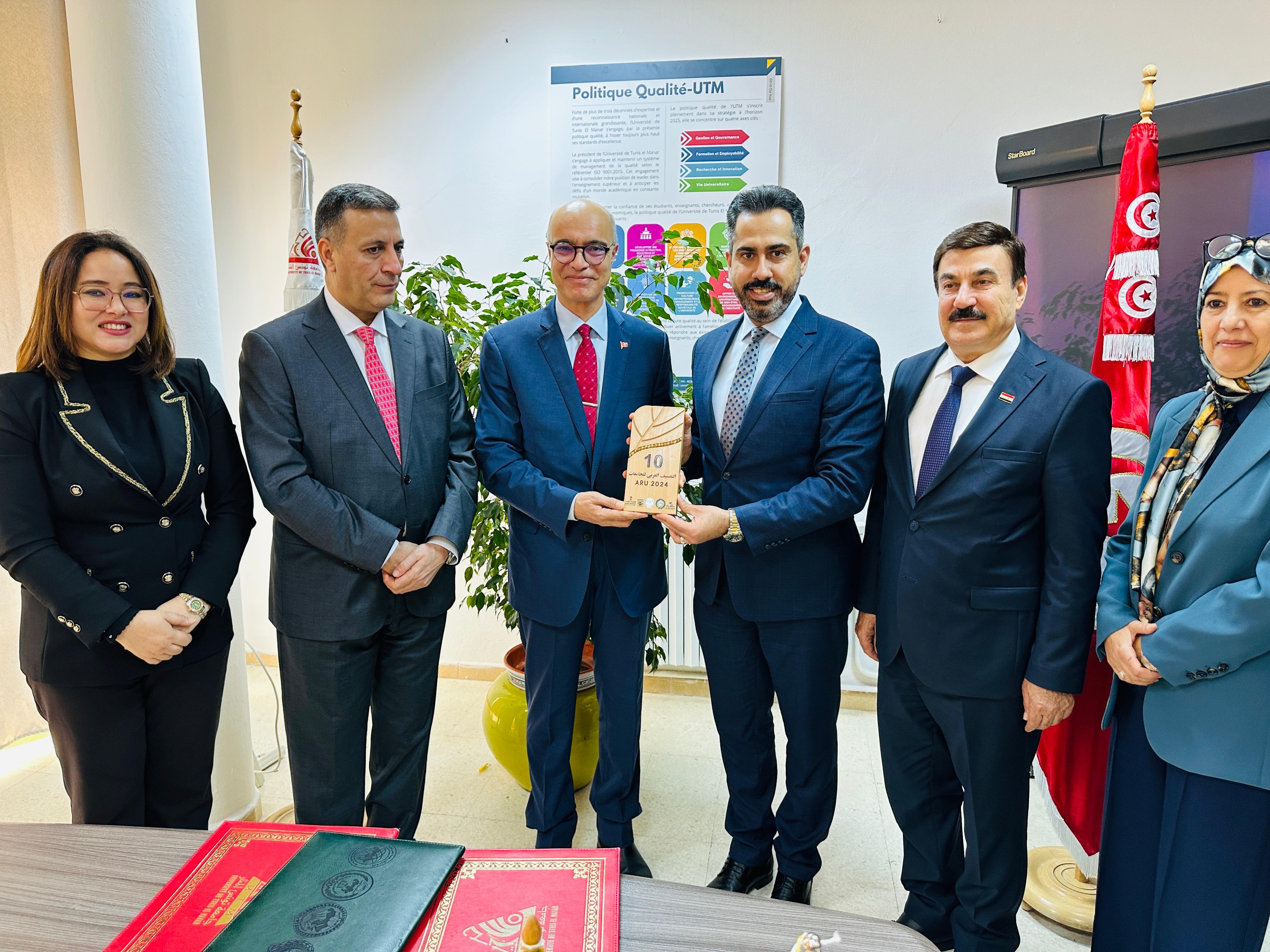
AArU Presents the Arab Ranking Shield to Tunis El Manar University
16 February 2025